Short answer
Estimate ice per drink × drinks on your busiest day, add ice used for display, blending and cooling, then add a safety margin of 20–30% because rated capacity is measured under test conditions and real output falls in hot rooms or with warm inlet water.
Step 1 — Estimate peak-day ice use #
Count drinks on your busiest day, not an average day, and multiply by the ice each cup takes. Weigh a few typical cups filled with ice to get your own figure rather than relying on rules of thumb.
Then add non-drink uses: blended drinks, ice for chilling tea or fruit, seafood or display beds, and ice that melts in the bin during long service.
Step 2 — Read rated capacity correctly #
Capacity on a spec sheet is the ice produced in 24 hours under defined ambient-air and water temperatures. A machine in a hot kitchen or fed with warm water will produce less. That is why we recommend a margin above calculated demand.
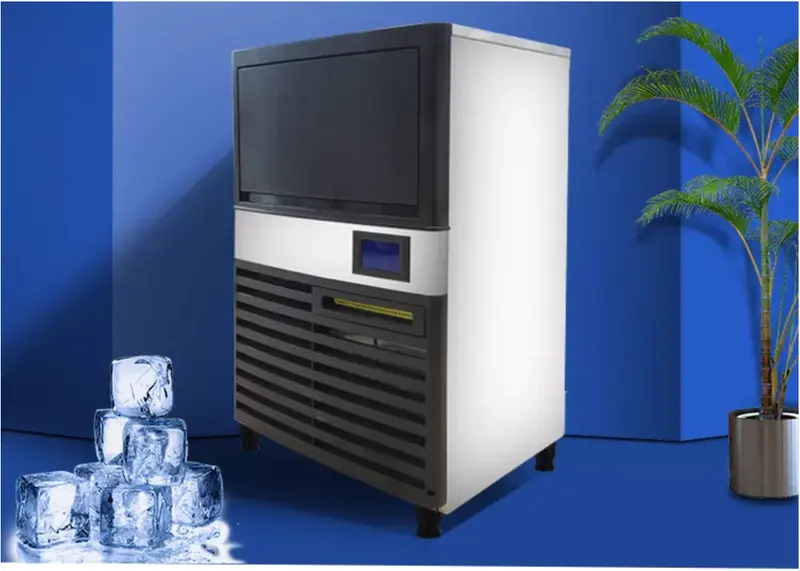
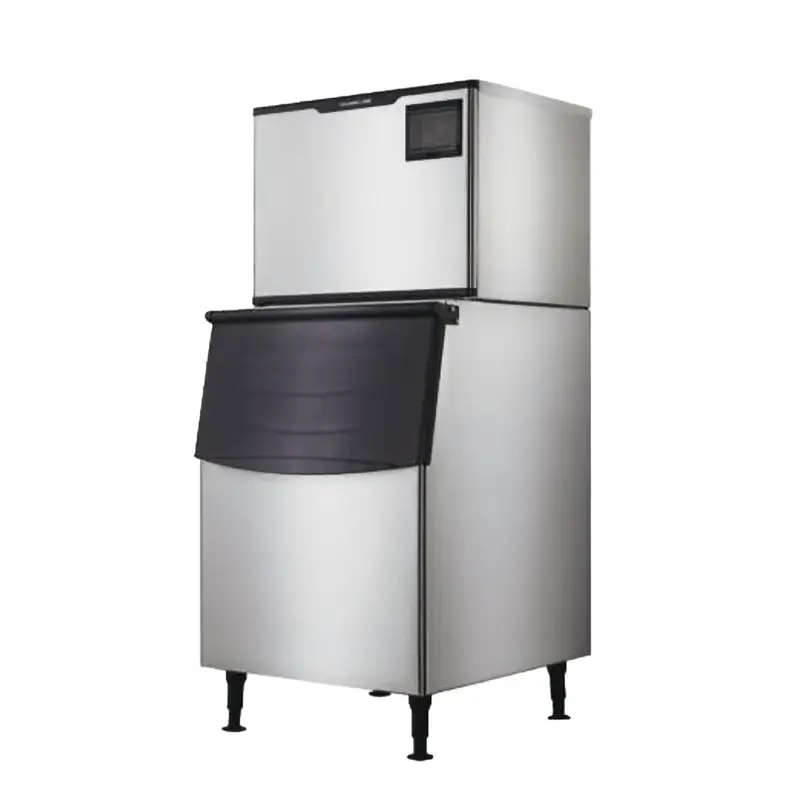
Our CL series lists 160 kg/24 h (CL-350A) and 225 kg/24 h (CL-500A); the compact LZ-60 lists 30 kg per day.
Step 3 — Air-cooled or water-cooled? #
Air-cooled condensers reject heat into the room and need clearance for airflow. Water-cooled condensers move heat into water and are quieter in the room, but use water continuously and need supply and drain connections. The CL series lists both options; the LZ-60 is water-cooled.
Step 4 — Cube size and storage #
A 22 mm cube (the CL series default, customisable) melts more slowly than small nugget or flake ice and suits most cold drinks. Make sure the storage bin holds enough ice to bridge your busiest service window.
Step 5 — Check refrigerant rules #
Refrigerant regulations differ by market. The CL series lists R404, and the LZ-60 lists R22, an HCFC being phased out under the Montreal Protocol. Confirm what your country allows before ordering and ask us about alternatives.
Product figures in this article are taken from our model specifications. Regulatory information is general guidance, not legal advice — confirm requirements with your local authority or compliance adviser.